Lewisham Council green waste rules for Catford gardeners: a practical local guide
If you garden in Catford, green waste can turn from a tidy pile of grass clippings into a surprisingly annoying job very quickly. One weekend you are pruning a hedge; the next you have sacks of cuttings, leaves, and bits of ivy taking over the patio. Understanding the Lewisham Council green waste rules for Catford gardeners helps you stay organised, avoid avoidable mistakes, and choose the right way to dispose of garden waste without creating extra hassle.
This guide explains what counts as green waste, how collection and disposal usually work in practice, what gardeners should watch out for, and when it makes sense to bring in help. It is written for real gardens, not perfect ones. So whether you maintain a small terrace garden, manage a larger back garden, or deal with regular pruning jobs, you will find something useful here.
Why Lewisham Council green waste rules for Catford gardeners Matters
Green waste sounds simple until you are standing beside a pile of damp grass, twiggy hedge clippings, and a few suspicious weeds that may or may not be allowed in the same bag. The rules matter because garden waste is not just "stuff from the garden". It has to be sorted, stored, and removed in a way that fits local collection systems and wider waste expectations.
For Catford gardeners, the main benefit of getting this right is practical. You save time. You reduce mess. You avoid overfilling bins, leaving waste in the wrong place, or booking the wrong kind of removal. And to be fair, nobody wants to drag heavy bags back through the house because a collection was missed or the contents were not accepted.
It also matters for the garden itself. When you understand what to keep, compost, bag, shred, or remove, you can build a much calmer maintenance routine. A hedge trim on a bright Saturday morning feels a lot less stressful when you already know where the cuttings are going.
If you use regular help for upkeep, services such as garden maintenance and hedge trimming become much easier to plan when waste handling is thought through from the start. It is one of those small things that quietly saves the day.
How Lewisham Council green waste rules for Catford gardeners Works
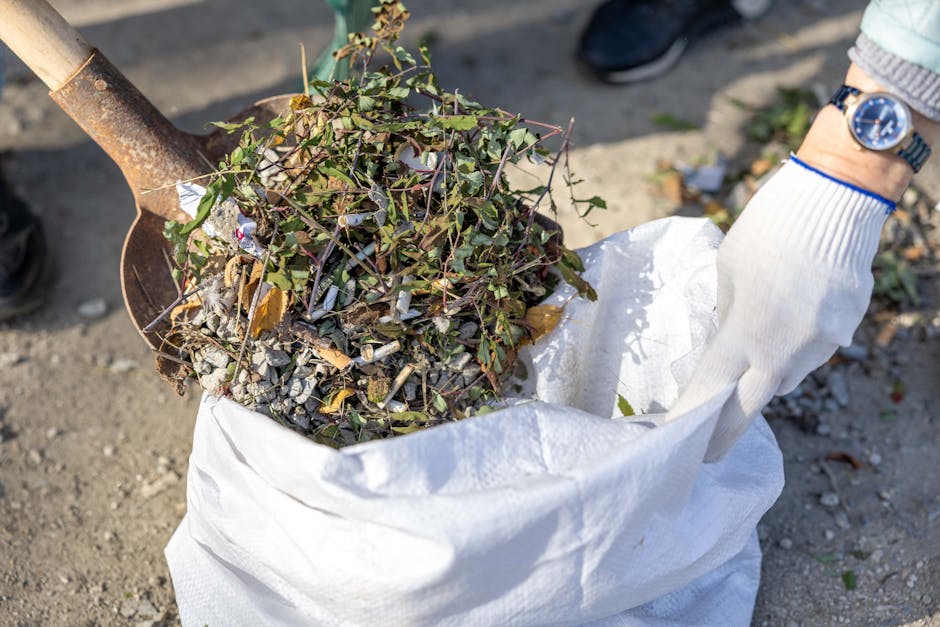
At a local level, green waste is generally the organic material produced by routine garden work. Think grass cuttings, leaves, small branches, dead plants, and similar biodegradable material. The exact handling depends on what the council accepts, how collection is arranged, and whether the waste is coming from a home garden or a larger clearance job.
In practice, most gardeners need to think about three things:
- Separation: keep green waste apart from general rubbish, soil, rubble, plastics, and treated timber.
- Presentation: place it in the right container, sack, or load format for collection or removal.
- Condition: avoid mixing in material that may be rejected, such as contaminated items or heavy non-organic waste.
That sounds obvious, but mixed garden waste is where most problems start. A bag with mostly hedge trimmings and a few bricks at the bottom is not a green waste bag in the eyes of anyone doing the picking up. Truth be told, waste collections are usually less forgiving than people expect.
For gardeners dealing with a one-off large cutback, clearance work is often a different situation from weekly lawn clippings. If the job leaves you with more volume than a normal bin can handle, you may want to look at garden clearance as a more suitable option than trying to squeeze everything into household containers. The same goes for heavier seasonal work after a storm, a sudden growth spurt in spring, or a long-overdue tidy-up. You know the kind of job. It starts as "just a quick trim" and ends with a van-load of branches.
Some households also build greener habits into regular upkeep. That may mean composting some waste on site, mulching small clippings, or using a recycling and sustainability approach to reduce what leaves the property. If you can keep useful organic material on-site, that often makes the whole process simpler.
Key Benefits and Practical Advantages
Once you understand the rules, the benefits show up fast. Not in a dramatic way, but in the everyday rhythm of gardening. Fewer headaches. Less wasted effort. Cleaner pathways. Better-looking borders. The garden feels managed rather than constantly catching up with you.
Here are the main advantages for Catford gardeners:
- Cleaner outdoor spaces: bags and piles do not sit around waiting for "later".
- Better planning: you can schedule pruning and mowing around the right removal method.
- Lower disruption: less back-and-forth moving waste around the property.
- Reduced risk of rejected waste: fewer surprises when collection day arrives.
- More efficient maintenance: the more predictable the waste flow, the easier the garden is to keep tidy.
There is also a subtle benefit that people often miss: good waste handling improves how you work in the garden. If you know clippings can be gathered quickly and stored correctly, you prune more confidently. You mow with less mess. You clear beds more methodically. It sounds minor, but it really changes the feel of the job.
For larger ongoing jobs, combining routine upkeep with lawn mowing and broader services overview planning can make waste collection easier to predict. That is helpful if your garden tends to produce waste in bursts, rather than evenly across the year.
| Waste type | Typical examples | What to do |
|---|---|---|
| Light green waste | Grass cuttings, leaves, soft plant trimmings | Keep separate, bag or bin as directed |
| Woody green waste | Small branches, hedge cuttings, prunings | Bundle, sack, chip, or arrange removal |
| Mixed garden waste | Organic material with soil or light debris | Sort carefully; remove contamination |
| Non-green waste | Plastic pots, broken slabs, stones, treated wood | Do not mix with green waste |
Who This Is For and When It Makes Sense
This guide is for anyone in Catford who regularly produces garden waste and wants to handle it properly. That includes homeowners with small gardens, tenants who maintain their outdoor space, landlords with periodic upkeep needs, and anyone working on a bigger tidy-up after a long season of growth.
It especially makes sense if you:
- trim hedges and shrubs more than a couple of times a year
- collect grass clippings after regular mowing
- deal with fallen leaves every autumn, and then again in that odd second wave when the wind kicks up
- have limited storage space for bins or sacks
- are planning a full garden reset or clearance
If your garden work is occasional, you may only need a simple disposal routine. But if you are maintaining a mature plot with fast-growing hedges, flower beds, and trees, waste management becomes part of the job, not an afterthought. In those cases, services like tree lopping and removal or landscape gardening may generate waste that needs a more structured approach.
It is also worth noting that some people only think about green waste when the pile is already there. That is understandable, but it is usually the moment when everything feels harder than it should. Better to plan before the branches start stacking up against the fence.
Step-by-Step Guidance
If you want a straightforward way to manage garden waste in Catford, follow this sequence. It works well for everyday maintenance and for bigger clear-out jobs too.
- Separate the waste as you go. Keep grass, leaves, and cuttings away from general rubbish, soil, and building materials.
- Check what should stay out of the green waste pile. Remove pots, plastic ties, wire, stones, and broken fixtures.
- Reduce volume where possible. Chop branches down, stack light material neatly, and avoid overstuffing bags.
- Store it safely. Keep sacks dry enough to lift, and do not block paths or dampen access routes.
- Choose the right disposal route. Use council collection where suitable, or arrange a private clearance method for larger loads.
- Make future jobs easier. Build waste handling into your regular gardening routine so it does not become a monthly panic.
A small but helpful habit: set up one container for green waste and one for everything else before you start. That alone cuts down mistakes. Also, if you are working with cuttings from a long hedge or a full border trim, stop halfway and clear up. It feels slower in the moment, but it usually saves time overall. Funny how that works.
If the job is bigger than expected, you can fold waste removal into a scheduled maintenance visit, rather than treating it as a separate emergency. That is often a better fit for garden maintenance planning, especially when you want the garden to look finished rather than half-done.
Expert Tips for Better Results
There are a few techniques that make green waste management far easier. None of them are flashy. They just work.
- Cut dry material first where practical. Wet clippings are heavier and messier. If you can time mowing or pruning for a dry spell, do it.
- Use breathable sacks or open bundles for woody waste. Dense sealed bags can become awkward and tear more easily.
- Shred or chip when it makes sense. Smaller material is easier to compost, reuse, or remove.
- Keep an eye on contamination. One plastic strap or metal stake can make a whole load less useful.
- Plan around seasonal peaks. Spring and autumn often generate more waste than people expect, especially after hedge growth or leaf fall.
Another small tip from experience: do not leave a "temporary" pile by the back gate for three days and assume it will magically sort itself out. It will not. It becomes damp, compacted, and awkward to move. A bit of discipline early on saves your back later.
For many Catford gardens, good waste handling goes hand in hand with routine trimming and mowing. That is why pages like lawn mowing and hedge trimming sit naturally alongside disposal planning. The work is connected, really.
Common Mistakes to Avoid
Most green waste problems are not dramatic. They are just little errors repeated enough times to become annoying. Here are the ones we see most often.
- Mixing green waste with general rubbish. This is the biggest one. It complicates everything.
- Adding soil, rubble, or stones. These are not garden clippings, and they can change how the load is treated.
- Overfilling bags. Heavy sacks are hard to move and more likely to split open at the worst moment.
- Leaving waste in inaccessible spots. If the collection point is awkward, removal becomes slower and more expensive.
- Waiting too long to arrange disposal. Fresh cuttings are easier to handle than a soggy heap after a week of rain.
One more subtle mistake: assuming every type of garden job produces the same kind of waste. It does not. A grass cut is not the same as a major shrub reduction, and neither is like the debris from a full landscaping refresh. If you are doing a bigger change, especially around hard landscaping or old planting removal, it is worth thinking ahead about volume and weight.
That is where broader work such as landscaping or decking services can generate different disposal needs. Not every garden project is "green waste" in the simple sense, and that distinction matters.
Tools, Resources and Recommendations
You do not need a shed full of specialist kit to manage green waste well, but a few basics make life easier.
- Heavy-duty garden sacks: useful for lighter clippings and leaf material.
- Rake and leaf grabber: still underrated, still effective.
- Pruning shears and loppers: help reduce bulk before disposal.
- Garden shredder: useful for repeat hedge and branch work if you have the space and budget.
- Wheelbarrow or tub trug: makes moving material less painful on the back, which matters more than people admit.
If you prefer a professional route, look at a provider's wider garden support rather than waste removal in isolation. On this website, the most relevant places to start are garden clearance, garden maintenance, and the services overview. That gives you a clearer sense of how waste handling fits into the whole job.
For people who want to keep things tidy over the long term, the sustainability angle is worth considering too. Composting suitable waste, reusing mulch, and avoiding unnecessary disposal all help. Small habits add up. They really do.
Law, Compliance, Standards, or Best Practice
When gardeners talk about waste, the compliance side is often a bit dull on the surface, but it matters. In the UK, garden waste should be handled responsibly, and mixed waste should not be presented as green waste if it contains items that clearly do not belong there. The practical standard is simple: keep biodegradable garden material separate, and do not contaminate it with non-organic or hazardous material.
That is especially important if you are disposing of waste from paid gardening work. A professional job should be carried out with care, and waste should be managed in line with normal environmental and safety expectations. If a load includes treated timber, rubble, or sharp debris, it should be handled differently from leaf litter or lawn clippings.
Best practice also means being honest about volume. A small bag of hedge trimmings is one thing. A whole front garden's worth of cut branches is another. The right disposal route depends on scale, not just the type of material. That is why many people choose a dedicated clearance service when the pile gets beyond a simple domestic setup.
If you are choosing a gardening provider, it is sensible to look at how they talk about safety, insurance, and responsible working. Pages such as insurance and safety and health and safety policy help show the standard of care you should expect. It is not glamorous, but it is reassuring.
And yes, even the paperwork side matters. Clear terms, fair payment handling, and transparent expectations reduce misunderstandings later. For that, see payment and security and terms and conditions.
Options, Methods, or Comparison Table
Different gardens need different waste solutions. Here is a simple comparison to help you decide what fits best.
| Method | Best for | Pros | Watch-outs |
|---|---|---|---|
| Domestic green waste collection | Routine clippings, leaves, small trimmings | Simple, familiar, usually low-fuss | May be limited by container type, volume, or accepted material |
| Composting on-site | Suitable soft organic waste | Reduces disposal volume, good for soil enrichment | Not ideal for diseased plants, woody overload, or mixed debris |
| Bagged or bundled removal | Moderate garden tidy-ups | Good for quick clearances, flexible | Bags must be manageable and correctly sorted |
| Professional garden clearance | Large cutbacks, seasonal overgrowth, major resets | Fast, practical, less lifting for you | Best matched to larger jobs; may be more than you need for small regular waste |
In simple terms, the lighter and more predictable your waste, the more likely a basic disposal method will work. Once the garden starts producing bulky branches, root balls, or a mix of waste types, a more flexible approach usually saves trouble.
For Catford homeowners who want the garden finished properly, not just partly cleared, professional support can be the easier route. That is especially true after a long spell of growth where the garden has slipped slightly. Happens to the best of us.
Case Study or Real-World Example
Imagine a Catford back garden after a busy late-summer growing period. The lawn has been mown, the hedge has shot up, and a couple of shrubs have started to lean into the path. Nothing dramatic, but enough to create a pile of mixed green waste.
The homeowner starts with the mower, then trims the hedge, then realises the clippings are more than one household bin can reasonably handle. The first instinct is to put everything in one place and deal with it later. That works for about an hour. Then it gets windy, the lighter leaves scatter, and the whole job feels twice as messy.
The better approach is to separate the waste by type: grass in one area, woody cuttings in another, and anything non-organic removed straight away. The homeowner then books a clearance visit through a garden clearance service and pairs it with a routine upkeep plan from garden maintenance. The result is not just a tidier garden that day, but a much easier setup for the next few weeks.
That sort of example is common. The actual work is rarely just about cutting plants. It is about what happens after the cut. Once you manage that part well, everything else gets simpler.
Practical Checklist
Use this checklist before and after any garden job.
- Have I separated green waste from general rubbish?
- Have I removed plastic, wire, pots, stones, and rubble?
- Is the waste light enough and tidy enough to move safely?
- Do I know whether this is a small routine job or a larger clearance?
- Have I chosen the right disposal method for the volume?
- Do I have enough containers, sacks, or bundles ready?
- Is the collection point easy to access?
- Have I planned for wet weather or heavy material?
- Will any of the waste be better composted or reused on site?
- Have I thought about the next maintenance visit so the problem does not repeat?
Quick expert summary: the cleaner you keep your waste stream, the easier every garden task becomes. Sort early, lift safely, and do not let mixed debris sneak into the green pile. That is the whole game, really.
Get a free quote today and see how much you can save.
Conclusion
Lewisham Council green waste rules for Catford gardeners are not just about ticking a box. They are about making garden care easier, cleaner, and more predictable from one week to the next. Once you understand what counts as green waste, how to separate it properly, and when to use a larger clearance solution, the whole garden routine feels lighter.
For many Catford gardens, the smartest approach is simple: keep the waste sorted, plan ahead for seasonal growth, and match the disposal method to the job size. That keeps paths clear, bins manageable, and your outdoor space looking cared for rather than constantly under repair.
If your garden is due for a reset, or you want help turning messy clippings into a neat, manageable process, a little planning goes a long way. And honestly, a tidy garden has a way of making the rest of the week feel calmer too. Small win, but a good one.
Frequently Asked Questions
What counts as green waste in a Catford garden?
Green waste usually means biodegradable garden material such as grass cuttings, leaves, hedge trimmings, soft plant matter, and small branches. Anything non-organic should be kept out.
Can I put soil or stones in my green waste bag?
Usually no. Soil, stones, rubble, and other heavy material are not the same as green waste and can create problems if mixed in. Keep them separate.
What should I do with hedge trimmings after cutting them back?
Bundle or bag them neatly, keep out plastic ties and wire, and decide whether the load is small enough for regular disposal or better suited to garden clearance.
Is composting better than taking green waste away?
For suitable soft garden material, composting can be a great option. It reduces disposal volume and can improve your soil later. It is not ideal for every type of waste, though, especially bulky woody material.
How do I know if I need garden clearance rather than normal waste disposal?
If the waste is bulky, mixed, or too much for standard containers, garden clearance usually makes more sense. That is especially true after pruning, seasonal overgrowth, or a full tidy-up.
Can I mix lawn clippings with hedge cuttings?
Yes, often you can mix different types of green waste, but it is best to keep the load clean and free from contamination. If the material is very wet or dense, separate handling may be easier.
Why does green waste go soggy so quickly?
Because it is organic and often holds moisture. If left in a pile, especially after rain, it can compact down and become awkward to lift. That is why early sorting helps.
What are the most common mistakes Catford gardeners make?
The biggest mistakes are mixing green waste with rubbish, adding stones or rubble, overfilling bags, and leaving the waste too long before arranging disposal.
Do professional gardeners handle waste for you?
Many do, but the exact approach depends on the service. It is sensible to check what is included, how the waste is removed, and whether the job is covered by insurance and safe working practices.
How can I make green waste easier to manage each week?
Separate waste as you work, use the right sacks or containers, trim regularly rather than waiting too long, and keep a simple plan for where each type of material goes.
What if my garden produces more waste in autumn and spring?
That is completely normal. Many gardens produce more waste during seasonal growth and leaf fall. In those periods, a planned clearance visit or a more regular maintenance routine can save a lot of effort.
Where can I find more help with garden upkeep in Catford?
Start with the main services overview and look at related support such as garden maintenance and recycling and sustainability. That gives you a practical picture of how upkeep and waste handling fit together.
